
- No Products In The Cart
- start shopping


Top Benefits of Wearing Men’s Leather Baseball Caps
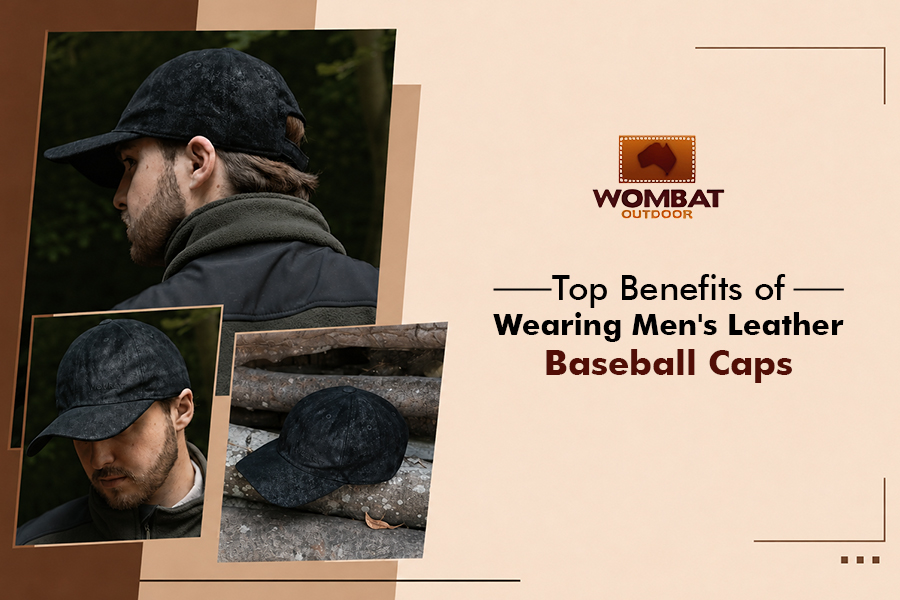
A cap earns its keep through repetition. It goes on for the dog walk, the drive to work, the fishing trip, and the dash to the shop in drizzle, until it stops being a purchase and becomes part of the routine. Leather has held that job for generations, and there is more going on inside a well-made one than the price tag suggests.
What Happens to Leather Over Time
A men’s leather baseball cap changes in the hand within weeks. Full grain hide keeps the natural grain of the skin, so it carries the marks it picks up rather than hiding them. The crown eases into the shape of the head wearing it. The colour deepens along the peak where fingers grip it most, and along the band where the hide takes warmth from the head.
Hat makers call that patina. It is the reason a cap that has done three winters looks better than the same cap did in its wrapping. Nothing needs doing to encourage it either. Regular wear does the work.
What to Look For in a Baseball Leather Cap
Hide grade tells most of the story. Full grain sits at the top, keeping the outer surface of the skin intact and the fibres tight. Top grain comes next, sanded lightly for evenness. Corrected and bonded leathers sit further down, and both have a habit of cracking along the fold in the peak, often inside a single winter.
Tanning gets less attention than hide grade and deserves nearly as much. Oil and wax finishes work through the thickness of the hide, so a scuff buffs away under a thumb in seconds. Surface-coated leather does the opposite. Once the coating breaks, a pale line shows through and stays. This distress effect is worked on the leather cap at the tannery, the leather feels as if it’s lived-in the first day you put on the cap, not after years of use.
Then come the details that quietly decide how long the thing lasts. Stitch density around the peak and crown. A lining that sits flat instead of rucking. A strap or buckle that holds its setting through a windy afternoon. Those are the parts that give out first, usually long before the hide shows any real age.
Getting the Fit Right
Sizing causes more returns than anything else. Take the tape round the widest part of the head, just above the ears and across the back of the skull, level and snug rather than tight. Note the figure in centimetres. Measuring over hair pushed up adds a centimetre that will not be there on the day.
Leather gives slightly as it warms, so snug on day one and comfortable within a fortnight is the normal pattern. Genuinely tight at the outset, though, tends to stay tight. An adjustable strap covers the smaller shifts across a year, hair clipped short in July and grown out by February.
Comfort Through the Day
A leather cap has some heft to it. That registers on the first outing and gets forgotten by the fifth, once the hide has relaxed into the shape it will keep. The lining along the sweatband matters more than the weight does. A soft one decides whether a cap gets worn daily or ends up on a shelf, so check for one before buying.
Season affects the choice too. Leather holds warmth, which is why a mens leather baseball cap comes into its own from autumn through to spring, out on the hills, at the shoot, or standing on a cold platform in February.
Sun, Rain and the Peak
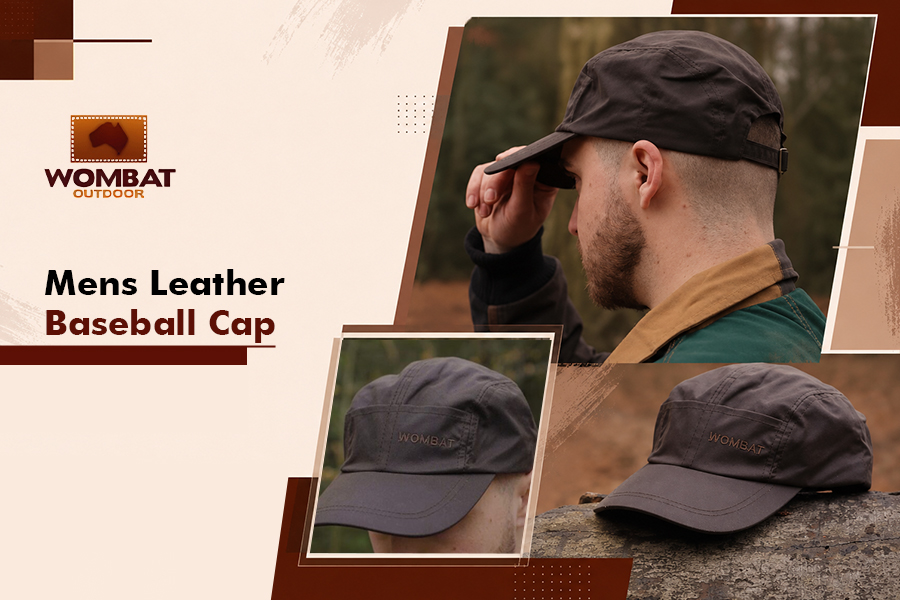
A structured peak does honest work outdoors, cutting glare at eye level and shading the face across the hours when the sun sits high. Peak length counts for more than most buyers expect. A slightly longer one keeps light off the eyes without narrowing the view.
Weather resistance comes built in. Tanned hide sheds a light shower, and a protector spray keeps that resistance topped up through the wetter months. Heavy rain soaks through eventually, though a slow dry at room temperature brings the cap back without fuss.
Where the Hide Comes From
Provenance is worth asking about. Cattle hide varies enormously by source and tannery, and the difference shows up in year three rather than week one. Wombat Leather works with full grain cattle hide and English waxed cotton, finished in the UK and drawn from Australian bush design, which is the sort of detail that separates considered headwear from a shelf filler.
Caring for Leather Baseball Caps for Men
Mud and dust come off with a cloth and a little patience. Anything greasier wants a dab of mild soap worked in small circles, then a second cloth with clean water to lift the soap out again. Drying matters more than any of that. Leather baseball caps for men want somewhere shaded and airy, stuffed loosely with a tea towel if the crown has gone soft, and a full day left alone. Radiators ruin caps faster than rain does. Heat pulls the moisture out too quickly, the fibres tighten, and cracked hide never comes back.
Sweat is the part most people forget. It builds along the band and dries stiff, so run a cloth round the inside every few weeks. Two other jobs belong in the diary. A protector spray every few months, and a conditioner in spring and again before winter. Between wears, a cupboard shelf beats a sunny windowsill, which fades one side of the crown and not the other.
Style That Does Not Date
Brown and black hide never went in or out of fashion, which is why mens leather caps turn up on farms, at country shows and on city pavements without looking odd in any of them. Brown warms up next to greens, tans and outdoor layers. Black holds a sharper line against dark denim or a navy jumper. Peak shape does more work than colour, though. A flatter peak reads modern, a curved one traditional, and the curved version ages into something that looks handed down. Initials on the band would cost you a bit extra but are useful for deterring you losing the hat on the day.
FAQ
How do I choose the best men's leather baseball cap?
Hide grade first. Full grain will still be going in ten years. Corrected leather tends to split at the fold in the peak, often in the first winter. Then run a thumb along the stitch line round the peak, check the lining lies flat, and take a tape measure round the head before choosing a size.
Are leather baseball caps comfortable for everyday wear?
Yes, once the fit is right and a soft lining runs along the band. Week one feels heavier than expected. By week three nobody notices, because the hide has taken the shape of the head by then.
How should I clean and maintain a leather baseball cap?
Little and often beats a deep clean. A dry cotton cloth handles dust after a wet or dusty day, and soap is for marks that will not shift, tested on the inside of the band first. Room temperature drying only. A conditioner in spring and again before winter stops the hide drying out, and the washing machine is the one thing that will finish a cap off for good.
Why are men's leather baseball caps a timeless fashion accessory?
Because nothing in the design chases a season. No prints, no logo trends, no colour of the year. A plain brown or black cap bought this month will still look right in ten years, and better than it does now.
